Parenting a child with autism comes with its own set of joys and hurdles. Every child is unique, and understanding their sensory needs can make a world of difference in their daily life. Sensory activities for autistic children are a fun and effective way to support their development, help them focus, and provide comfort in overwhelming situations. The good news is that many of these activities can be done right at home, with simple tools and everyday items.
Here at Empower Therapy, we believe in making sensory play accessible, enjoyable, and meaningful for both children and parents. If you are looking for ways to engage your child while supporting their sensory growth, these ten activities can be a great starting point.
Water play is one of the classic sensory activities for autistic children. Filling a small tub or a bowl with water, adding cups, spoons, and small toys allows kids to explore temperature, texture, and movement. Ice cubes can add another dimension, helping children experience cold sensations while strengthening fine motor skills as they pick them up and watch them melt. This simple activity can be calming and fascinating for kids.
Sensory bins are containers filled with materials like rice, beans, sand, or pasta. You can hide small toys inside and encourage your child to dig and explore. Sensory bins help with tactile processing and can also improve focus and imaginative play. Changing the contents regularly keeps the activity fresh and exciting. It’s easy to tailor a sensory bin based on what your child enjoys and what stimulates them the most.
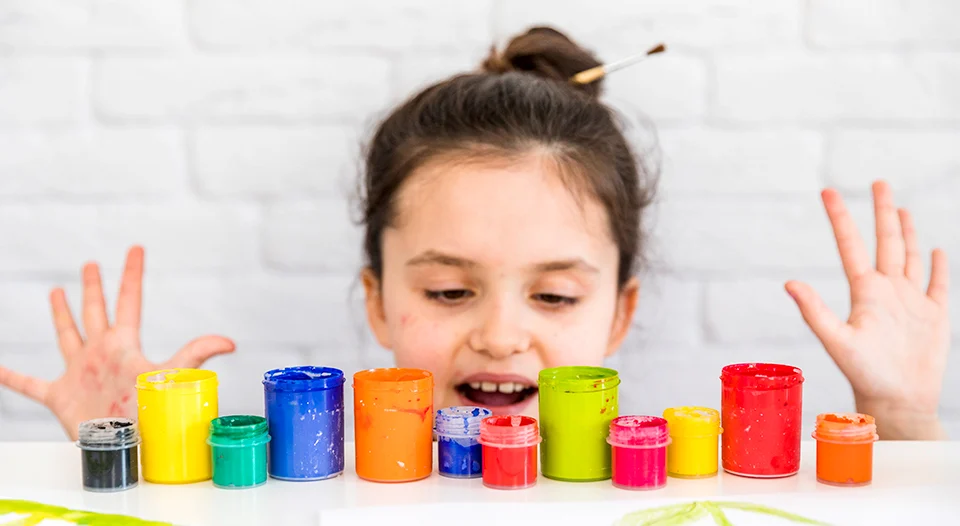
Finger painting is messy, yes, but it is also a fantastic sensory activity for autistic children. Feeling the texture of paint and exploring colors allows children to express themselves creatively. You can try different materials like pudding, shaving cream, or yogurt to add variety. This kind of play encourages fine motor skills, decision-making, and even emotional expression in a safe and fun way.
Playdough or modeling clay offers a tactile experience that children often find soothing. Rolling, squishing, and shaping the material helps strengthen hand muscles, which is great for writing and other everyday activities. Adding scents, colors, or small objects inside the dough can enhance the sensory experience even further. Plus, it’s an excellent way for children to explore their imagination while building focus.
Building activities may seem simple, but they provide both visual and tactile stimulation. Sorting blocks by color, stacking them, or following a simple design improves hand-eye coordination and spatial awareness. Many children with autism also enjoy the structured nature of buildings, which gives them a sense of accomplishment and independence.
Some children find deep pressure calming, and you can integrate this into your daily routine. Activities like gentle squeezes, rolling up in a blanket, or using a weighted vest (if appropriate) can help regulate emotions and reduce anxiety. These sensory activities for autistic children are simple, safe, and incredibly effective when your child is feeling overwhelmed.
Taking sensory experiences outdoors is another wonderful way to engage children. Walking barefoot on grass, touching leaves, collecting rocks, or listening to birds can stimulate multiple senses at once. Nature’s play encourages curiosity, mindfulness, and a connection to the environment. Even short outdoor sessions can make a big difference in mood and focus.
Music has a powerful effect on sensory processing. Playing different instruments, clapping, dancing, or even listening to calming sounds can help children engage in rhythm and movement. Combining music with motion helps develop coordination, timing, and listening skills. Movement-based sensory activities are especially effective for autistic children who need to release energy or calm down after a busy day.
Creating pathways with various textures like rugs, mats, or bubble wrap allows children to walk barefoot and explore different tactile sensations. This type of sensory play is excellent for balance, coordination, and body awareness. You can even make a small obstacle course for a fun challenge. It turns a simple walk into an exciting adventure that engages multiple senses.
Consistency is key when it comes to sensory activities for autistic children. Integrating these activities into daily routines can provide comfort, help regulate emotions, and improve focus. You don’t need special equipment or expensive toys; many activities use items you already have at home.
At Empower Therapy, we encourage parents to embrace sensory play as a way to connect with their children, understand their unique needs, and make learning fun. By spending time together through these activities, you not only support development but also strengthen the bond between you and your child.
Sensory activities for autistic children can be simple, enjoyable, and highly beneficial. With a little creativity, patience, and understanding, you can turn everyday moments at home into meaningful opportunities for growth and joy.